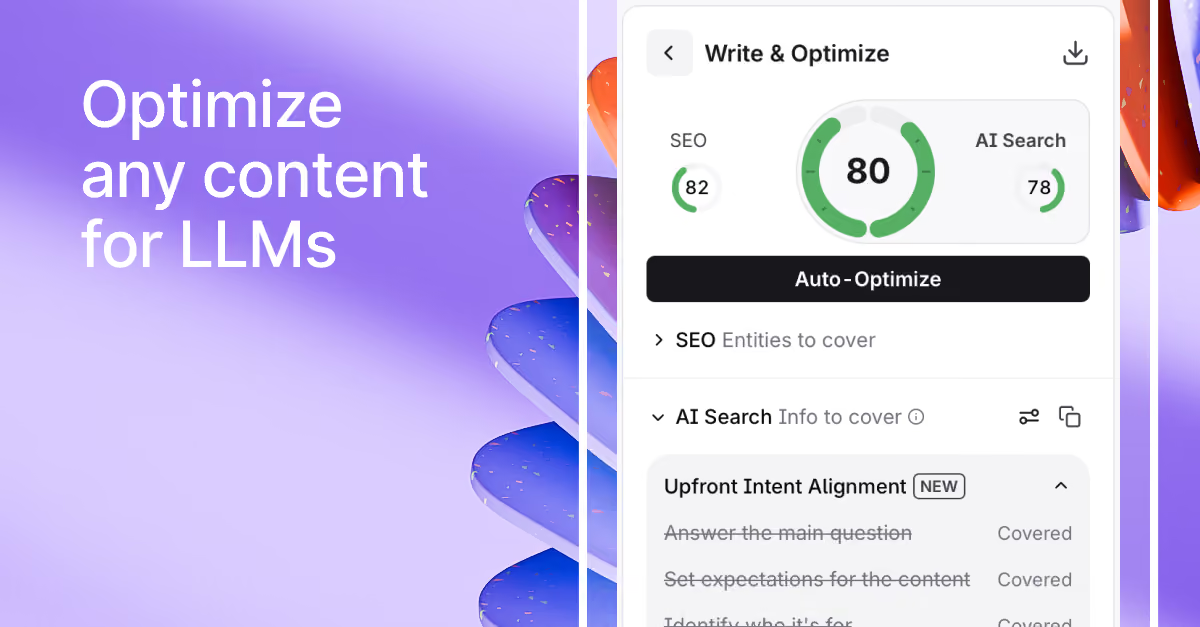
Surfer's Content Score measures Google ranking and AI citation likelihood in one split bar — SEO entities and AI Search intro/facts. One click of Auto-Optimize fixes both.
Quick reminder on something we shipped recently, because the data that came out this month makes it matter more than ever.
Your Surfer Content Score now measures two things at once: how well your content ranks in Google, and how likely it is to get cited in AI answers.
Same number. Same bar. But now it's split — SEO on one side, AI Search on the other.
How does the new AI SEO Content Score work?
The SEO half is what you already know: entity coverage, the terms and topics that make content rank.
The AI Search half is newer, and it's where this month's research lands.
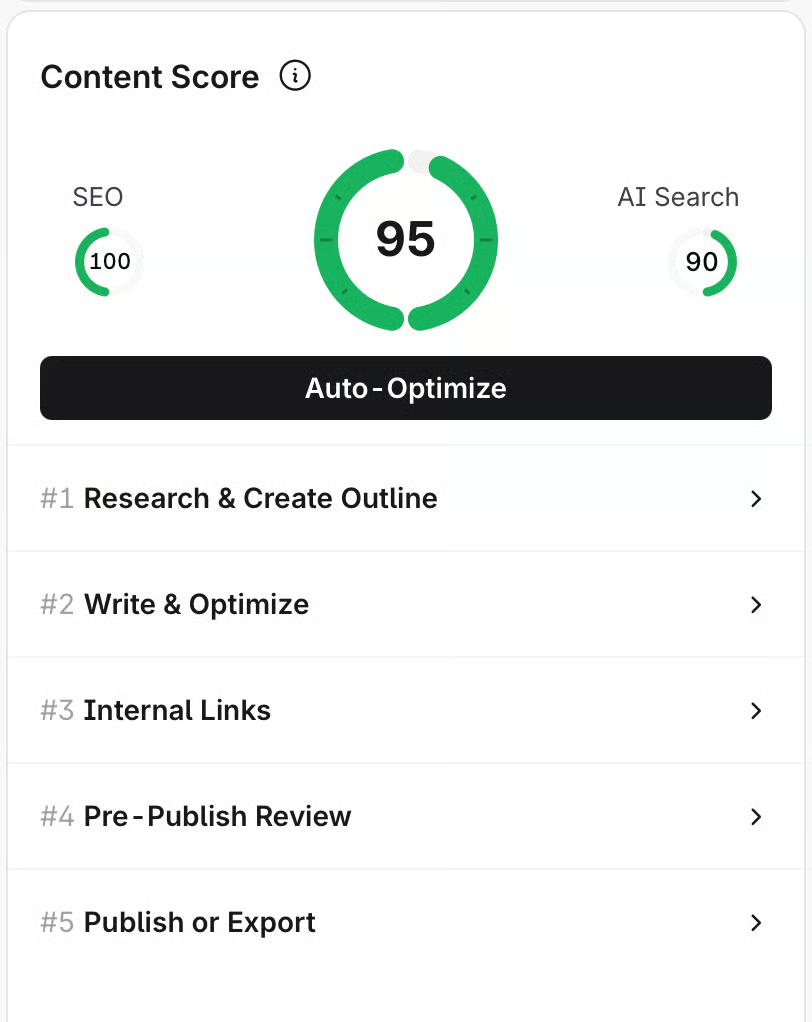
We analyzed 100,000 AI citation placements and found that 38% land in the first 100 words of a page — nearly double what it was a year ago. Across every model we track, the top factors all measure the same thing: does your introduction confirm relevance, answer the question, and give AI something extractable to cite. The AI Search score checks exactly that — your introduction and the facts inside your content.
We call it: Intent Alignment.
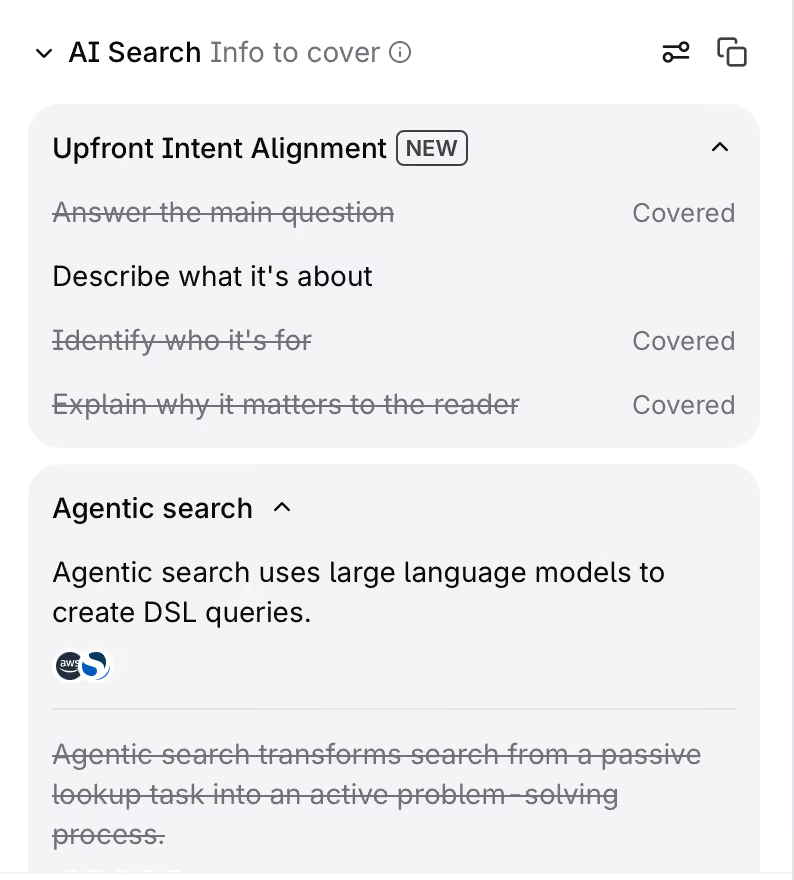
Here's the part worth repeating: you don't fix these separately. One click of Auto-Optimize handles both — closing entity gaps for SEO and rewriting your intro and facts for AI Search in a single pass.
Why does the new AI SEO Content Score matter?
Google has said it themselves: AI Search (GEO, AEO — however you call it) is an evolution of SEO, not a replacement. Most of what makes content rank also makes it more likely to get cited (and that’s especially true for AI Overviews!). So one score, one fix, was always the right way to do this.
If you optimized a page before this shipped, it's worth reopening — the new Intent Alignment guidelines can increase your chances of being cited in AI answers by almost 40% and are one click away, thanks to Auto-Optimize.