Search no longer begins and ends with Google.
Today, people explore multiple platforms before making a decision. They scroll through TikTok for product reviews, check Reddit for honest opinions, watch YouTube tutorials, or ask ChatGPT for quick answers.
Search everywhere optimization helps your brand stay visible and credible across all these surfaces by ensuring your content is easy to find, understand, and reference wherever discovery happens.
In this article, we’ll break down what search everywhere optimization means, how it differs from traditional SEO, and why it’s essential for your brand visibility.
What you will learn
- What search everywhere optimization is, and why it’s redefining how brands win visibility online.
- The new role of AI-driven discovery in shaping how audiences find, evaluate, and trust brands.
- Actionable strategies to boost your brand visibility across every major search surface — from ChatGPT to Google.
What is search everywhere optimization?
Search everywhere optimization is the process of making your brand, content, and data discoverable across every platform where people search for information.
Unlike traditional SEO, which focuses on ranking in Google search results, search everywhere optimization expands your visibility across multiple platforms where audiences spend most of their time actively searching, like:
- Social media (X, LinkedIn, Instagram, etc.)
- AI search assistants (ChatGPT, Claude, Perplexity, and others)
- Community forums (Reddit, Github, etc.)
- Content aggregators
- YouTube, and more
For example, many people use TikTok to find honest product reviews, Reddit to compare experiences, YouTube to watch how-to tutorials, and ChatGPT or Gemini to summarize complex topics.

This shift means that the search journey is no longer linear or limited to a single search bar, like Google. With AI search engines like ChatGPT providing more direct answers, search has evolved.
The goal of search everywhere optimization is to make your content findable, understandable, and citable by both humans and machines. In short, it helps your content appear wherever your audience searches, whether it’s on AI search, YouTube, or Reddit, not just where algorithms rank you.
Is search everywhere optimization different from answer engine optimization or generative engine optimization?
Search everywhere optimization, answer engine optimization (AEO), and generative engine optimization (GEO) all point toward the same shift in search experience — away from traditional search engines and toward AI-powered platforms that surface answers directly.
AEO and GEO focus mainly on optimizing content for AI tools like ChatGPT, Google’s AI Overviews, or Perplexity, where algorithms summarize or generate responses using your content as a source.
The goal is to help your brand appear in AI-generated search results driven by machine learning models.
For example, you’ll notice how Google’s AI Overviews also mention the source(s) of the websites from where it picks up content for its AI-generated summaries. This is exactly what AEO and GEO focus on.
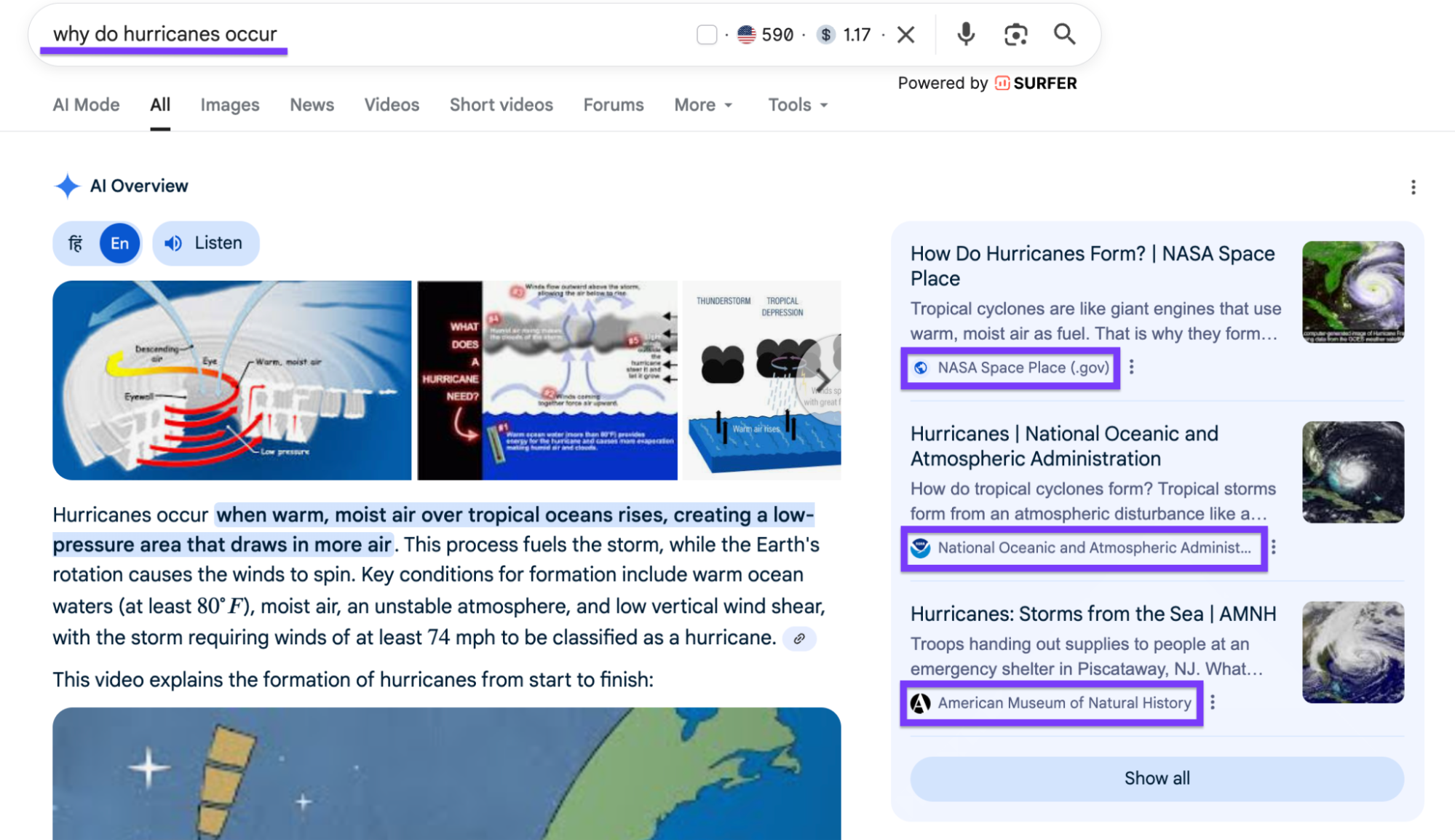
Search everywhere optimization expands past AI search engines to include every place people discover content — from social media platforms and YouTube to Reddit, app stores, and even Reddit threads.
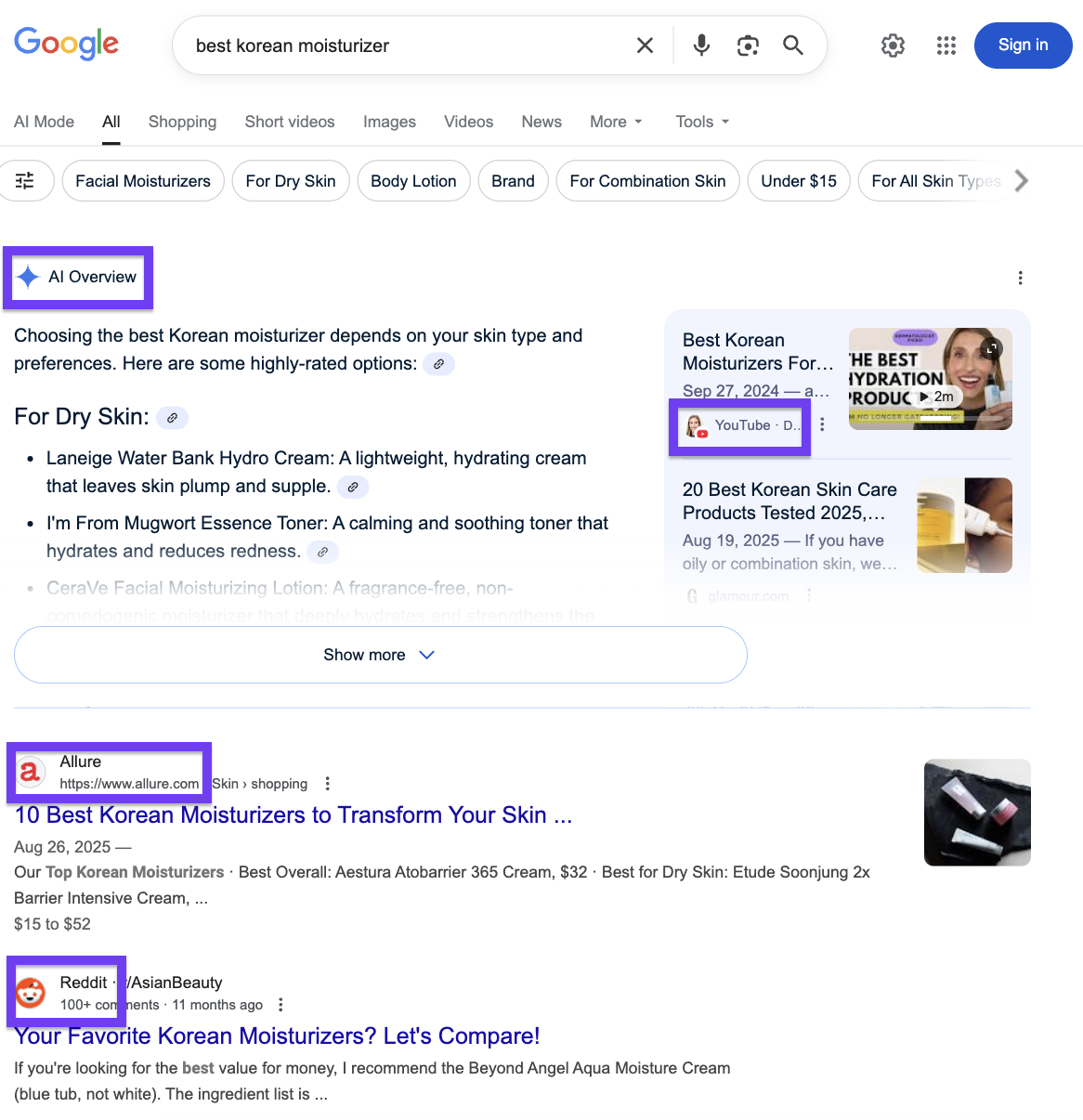
It considers the complete search journey and how users move fluidly between traditional search, social search, and AI-powered discovery.
What if you’re already doing search engine optimization?
If you’re already doing search engine optimization (SEO), you’re on the right track. But search everywhere optimization takes it a step further.
Traditional SEO focuses on helping web pages rank higher in Google Search using a few keywords. Search everywhere optimization, however, focuses on helping your content get referenced, quoted, or cited across AI-powered search tools, social media platforms, and content aggregators.
For example, a blog post might not appear on the first page of Google, yet still gain strong visibility if it’s cited in ChatGPT or Perplexity summaries, mentioned in Reddit discussions, or linked within YouTube video descriptions.
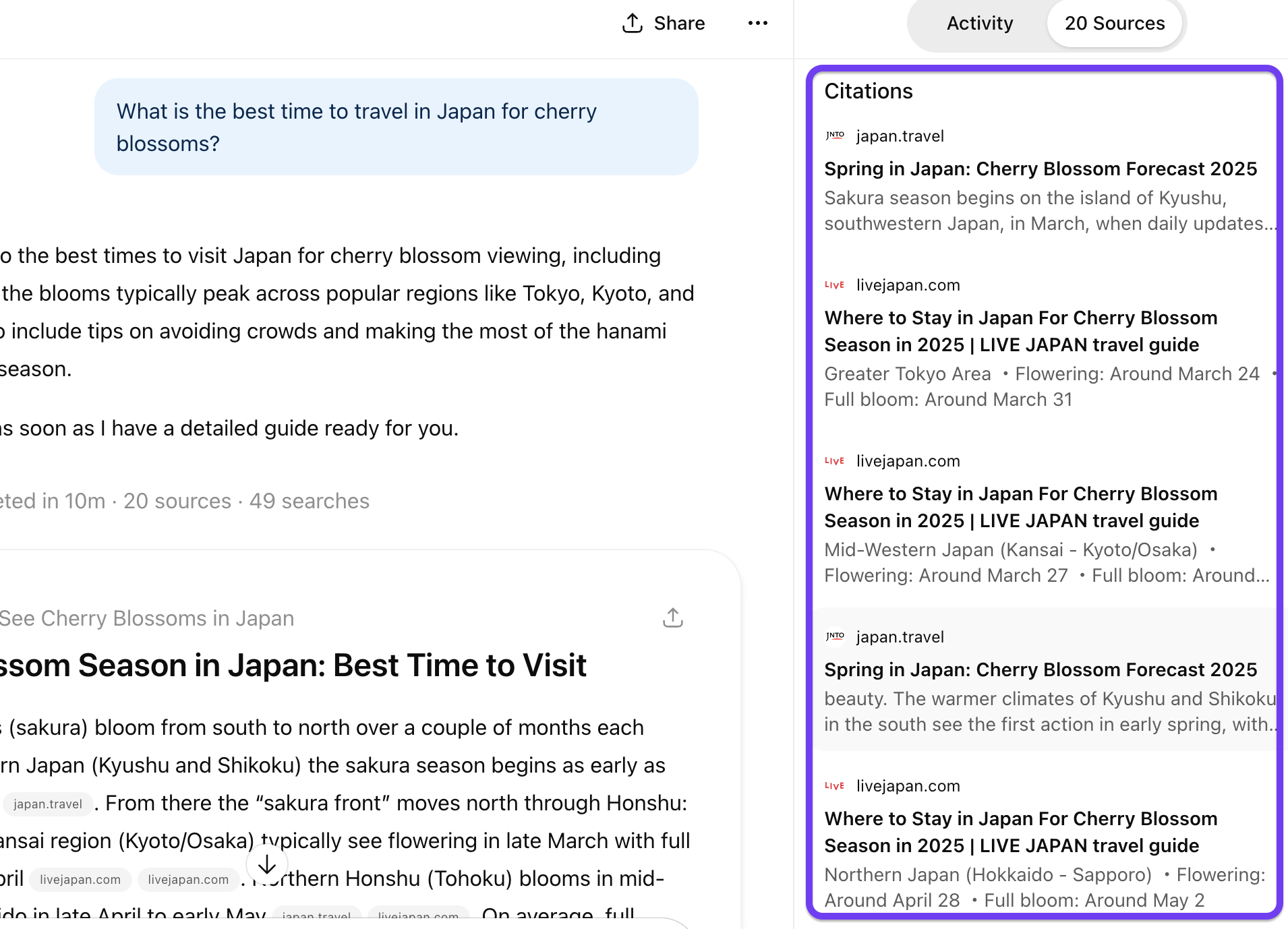
And with search experience evolving beyond Google’s blue links, these mentions can be just as valuable as a top search ranking for a keyword.
8 search everywhere optimization strategies for AI SEO
The search experience no longer happens in one place. People move between Google, ChatGPT, YouTube, Reddit, and social media to find what they need. To adapt, your optimization strategy has to go beyond rankings and include signals that build credibility and visibility across all of them.
Here’s how to start optimizing for this new search everywhere ecosystem:
1. Manage how the internet talks about you
Your brand’s reputation across different sources directly influences how it’s perceived by both people and AI search engines. Mentions, reviews, and citations now serve as strong indicators of credibility in AI-powered search.
In other words, the more trusted your brand appears online, the more likely it is to surface across AI platforms and traditional search engines. Here are two ways you can boost visibility and your brand’s digital credibility:
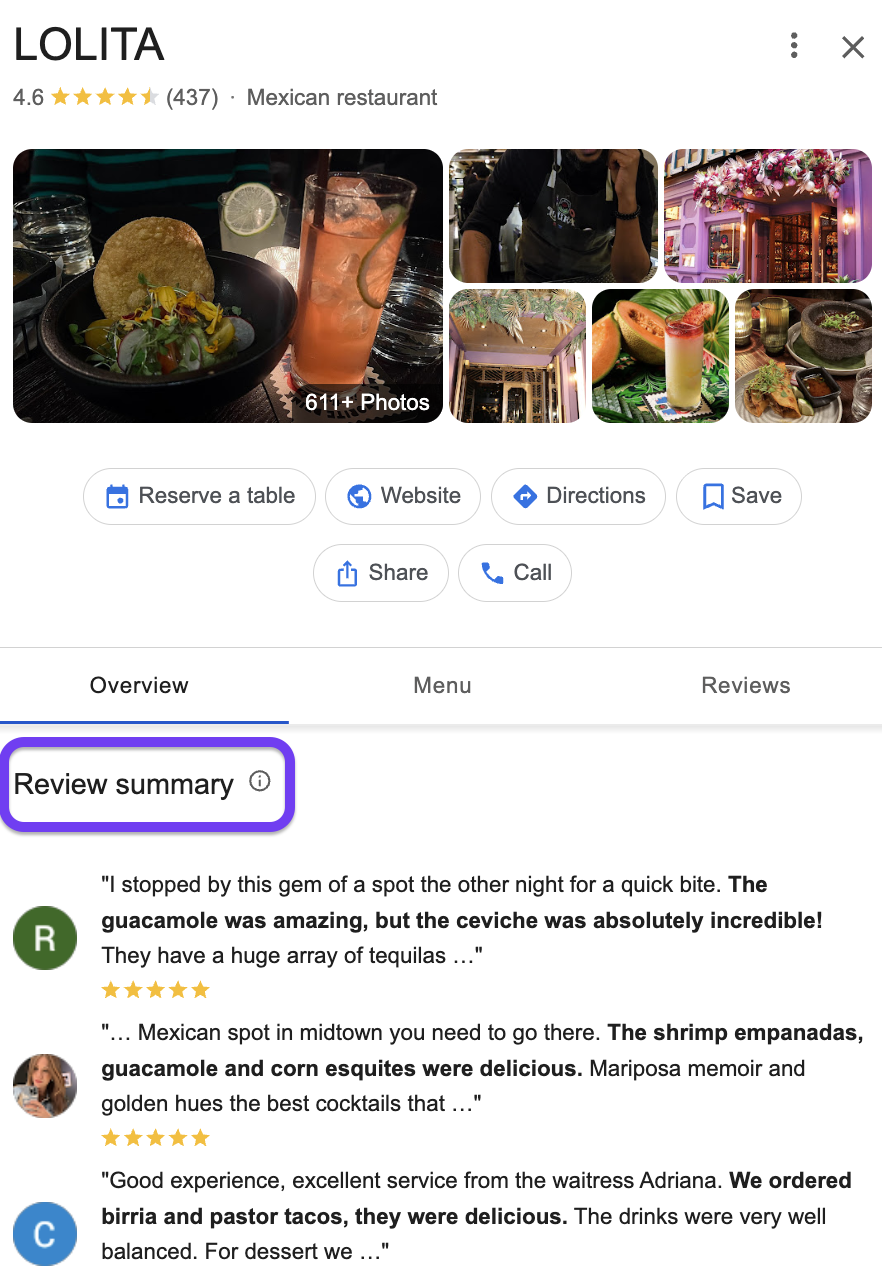
Focus on Google Reviews
Authentic, detailed reviews provide context that AI systems can use to evaluate reliability. Encourage happy customers to share specifics about what they liked and why. You can do this by:
- Following up after purchases
- Making the review process simple
- Responding to both positive and negative feedback to show authenticity
You can even encourage more authentic reviews by offering discount codes or vouchers to customers who leave positive feedback.
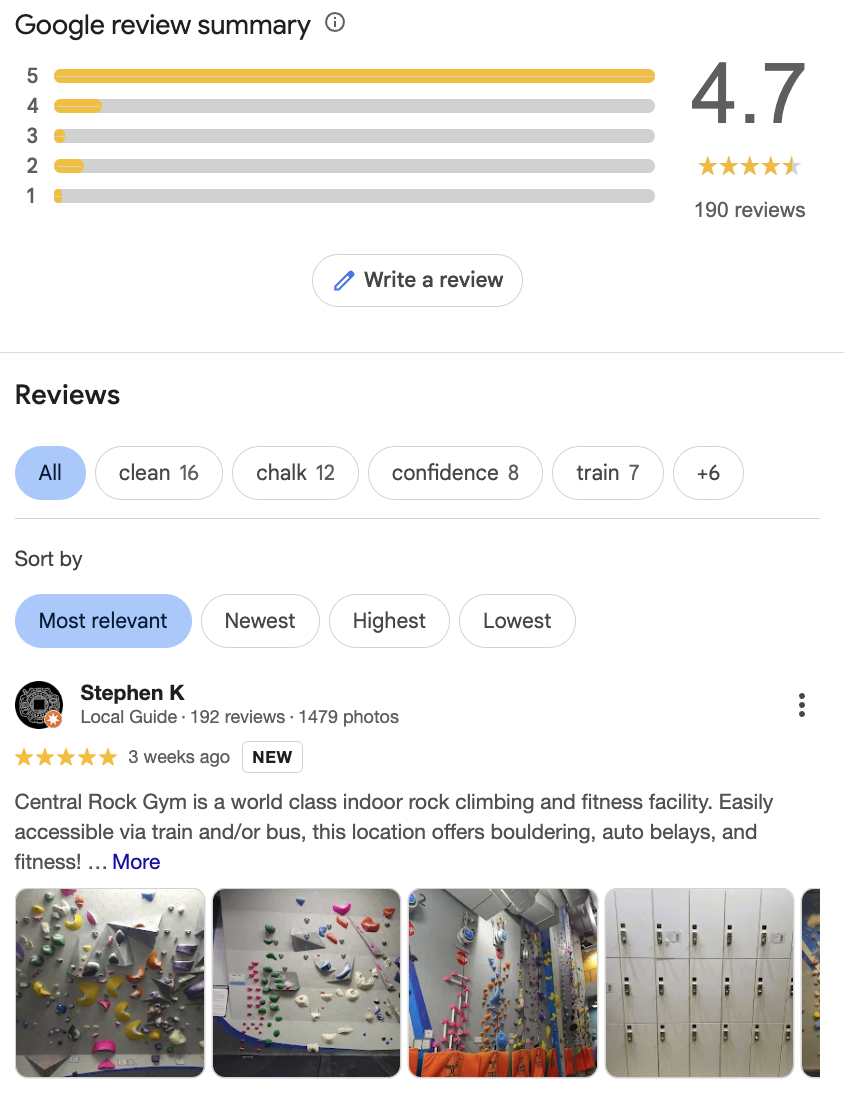
The more authentic reviews your brand has online, the easier it is for Google and AI search systems to recognize it as trustworthy, boosting your chances of appearing in search results and attracting potential customers.
Appear on review and comparison sites
AI assistants like Gemini, Perplexity, and ChatGPT often draw from authoritative databases such as G2, Capterra, and TrustRadius. To strengthen your brand visibility:
- Verify your listings and keep product information updated and consistent
- Include visuals, high quality videos, descriptive headings, and structured data where possible
- Collect reviews through customer success workflows
- Ensure your listings use relevant keywords naturally and highlight differentiators
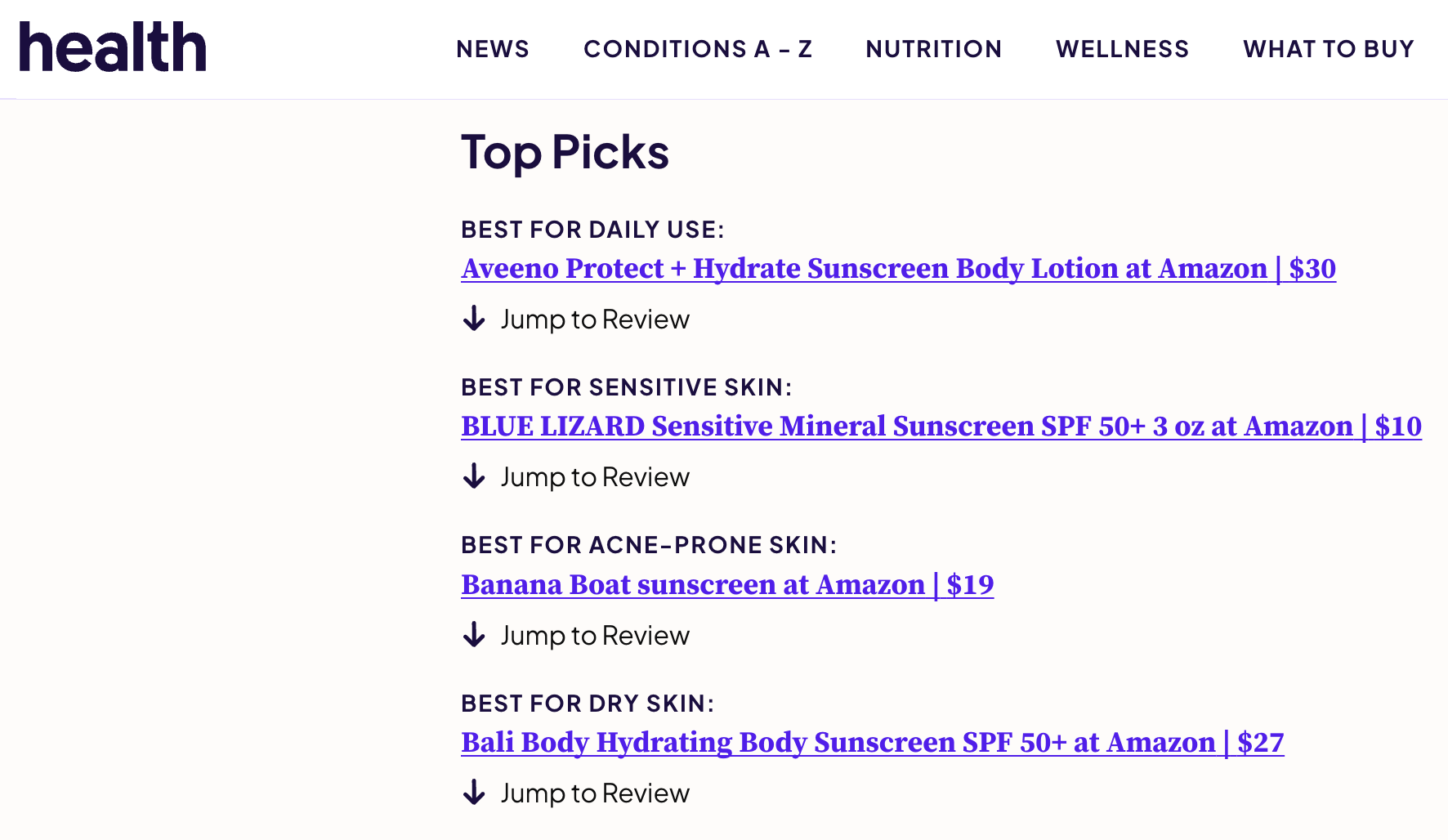
You can also reach out to industry publications or niche comparison blogs that feature “best tools” or “top products” roundups. Many of these outlets accept submissions or welcome collaboration if you provide genuine insights, data, or expert commentary.
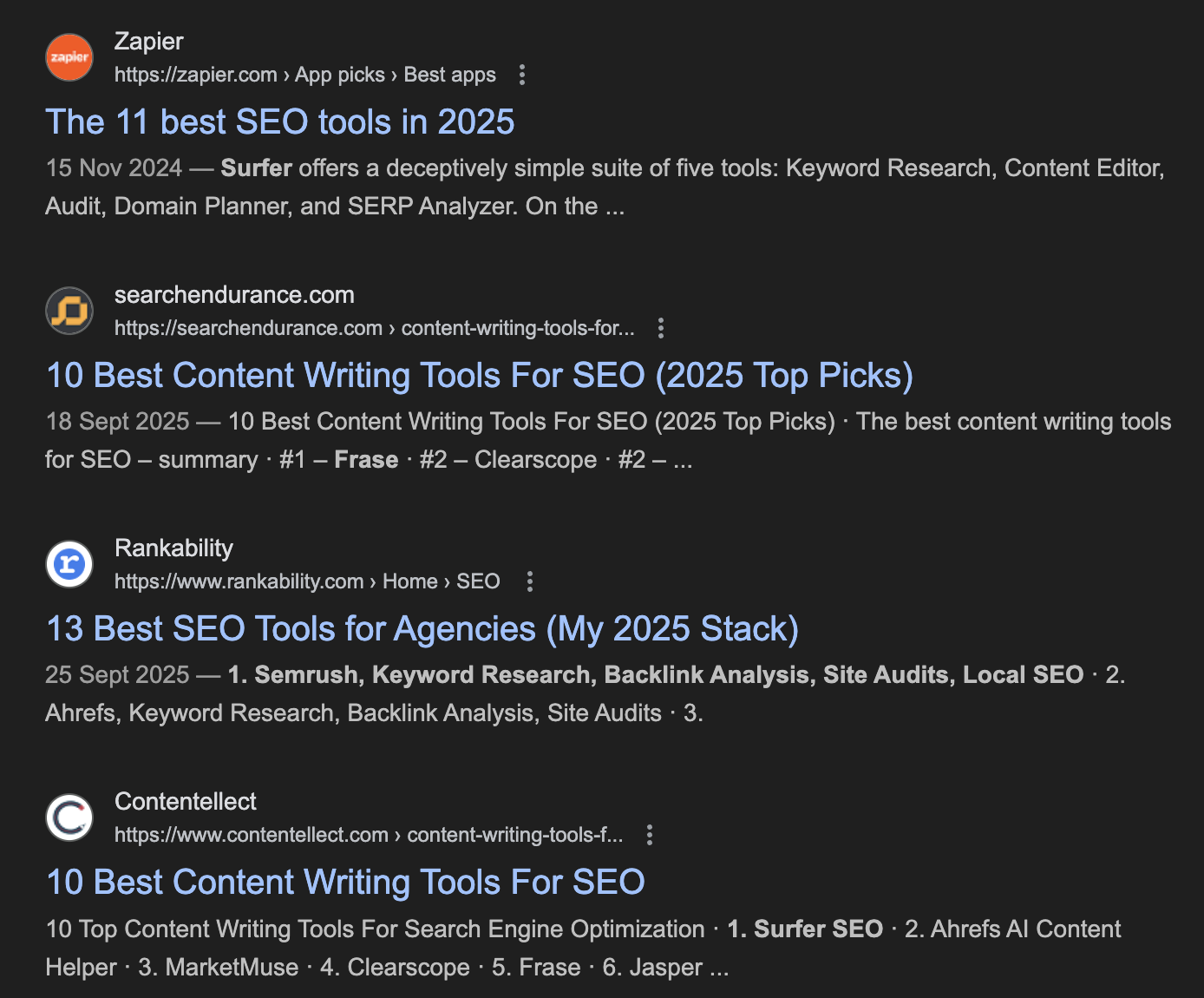
When your brand appears in trusted listicles or comparison articles, it reinforces credibility across multiple platforms. These mentions help Google and AI search models recognize your brand as a reliable source, increasing visibility across search terms.
2. Invest in digital PR and partnerships
Visibility in AI-powered search isn’t just about what you publish, but also where your brand is mentioned.
Strong digital PR and partnerships help you appear on credible, high-authority sites that AI systems and traditional search engines both trust.
Start by identifying industry websites, influencers, and publications whose audiences overlap with yours. Collaborate on guest features, data-driven stories, or expert commentary that tie into your niche.
These mentions build brand authority and improve how often your name appears in AI-generated search results and social media conversations.
For example, Graphite’s joint study with Surfer on the rise of AI-generated content (More articles are now created by AI than humans) was picked up by top tech publications, including Axios, Vice, and PCMag.
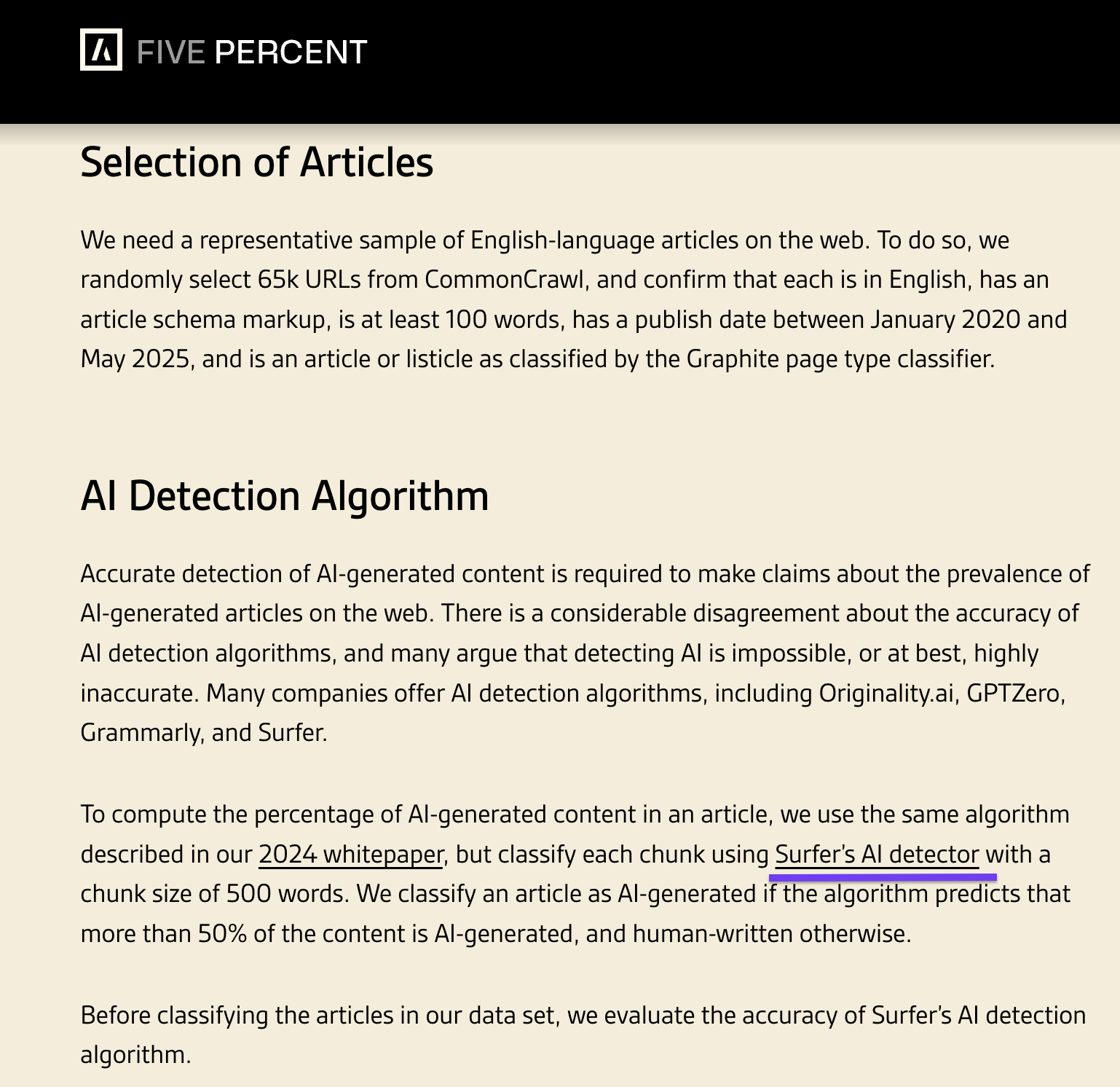
These earned mentions didn’t just drive referral traffic but also strengthened our brand signals and credibility across multiple platforms, making it more recognizable to AI tools and search algorithms alike.
You can apply the same approach by collaborating with relevant organizations or data partners in your space. For instance, Surfer’s data collaboration with Graphite combines product insights with market analysis to produce original studies that others can reference in blogs, podcasts, and AI summaries.
This helps build topical authority, earn natural citations, and increase the likelihood that your content will be quoted by AI models and rank in Google’s AI Overviews.
3. Engage in Reddit threads and other platforms
Online communities are becoming one of the most influential surfaces in today’s search ecosystem. UGC platforms like Reddit now play a significant role in how people discover brands and form opinions, and even how AI learns what to cite.
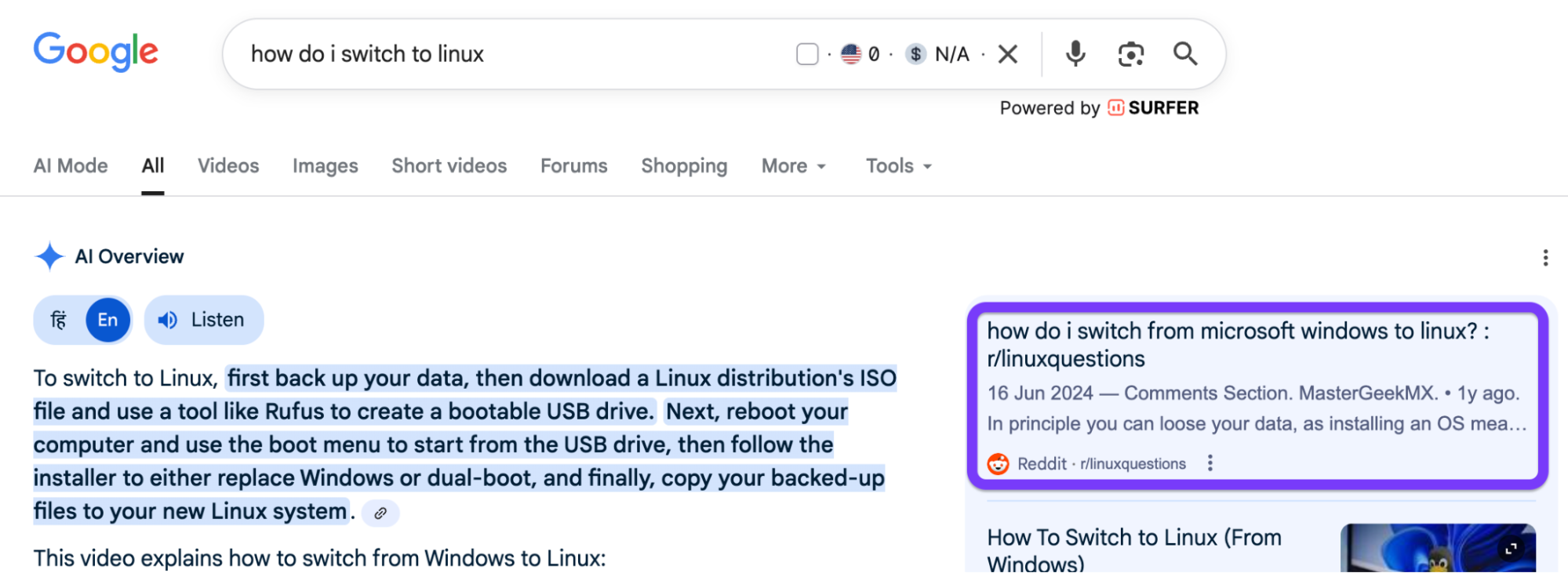
In 2024, Reddit announced partnerships with OpenAI and Google, enabling its data to be used for AI model training and powering AI-powered search results. Since then, multiple studies have shown a sharp increase in Reddit citations across tools like ChatGPT, Perplexity, and Gemini’s AI Overviews.
A Semrush study of 150,000 AI citations found that 40.1% now come from Reddit, surpassing Wikipedia (26.3%) and YouTube (23.5%) as the top source for large language models (LLMs) in 2025.
Surfer’s AI Tracker, which analyzed 36 million AI Overviews, also shows that Reddit is the 4th most-cited source by Google (after YouTube, Wikipedia, and Google itself).
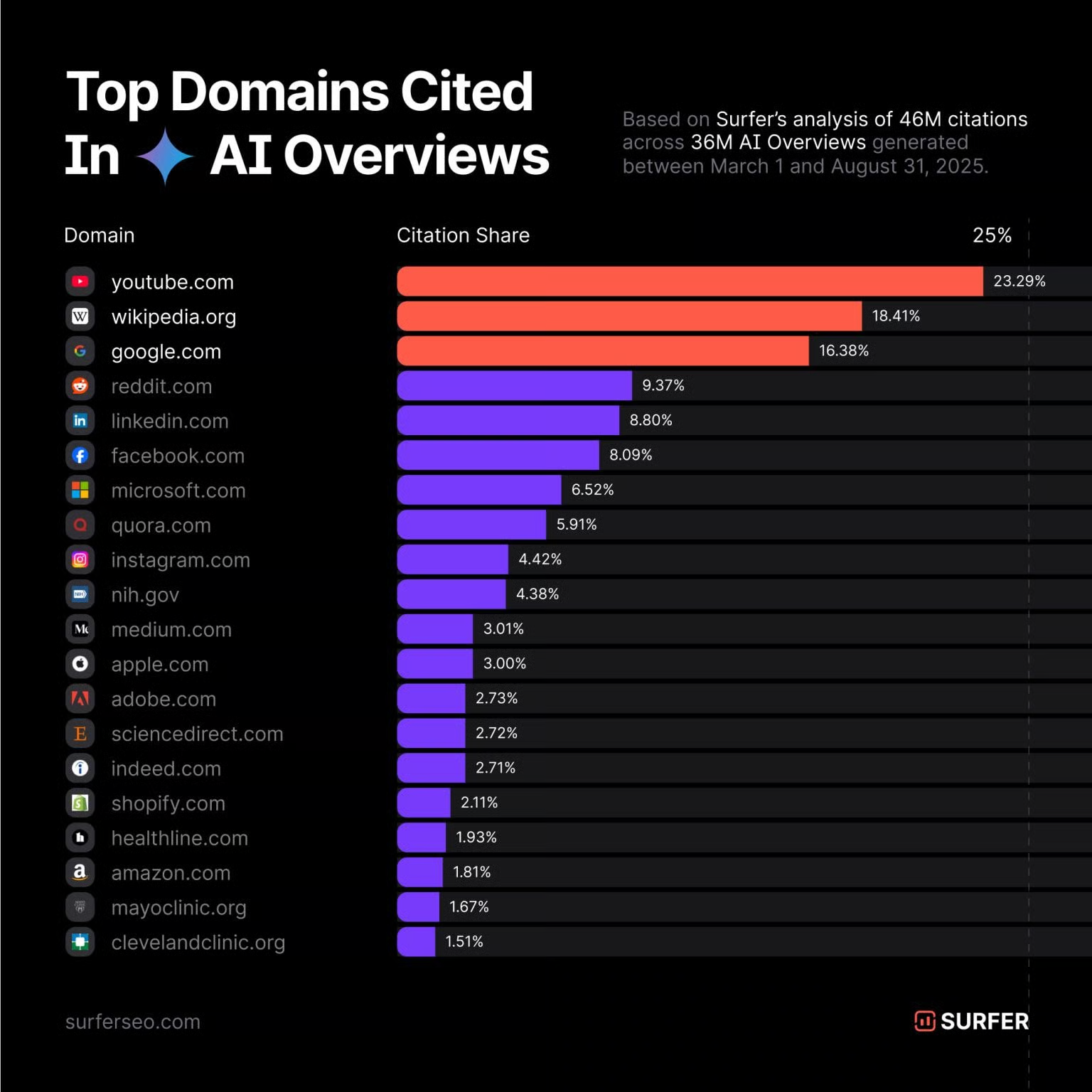
This happens because user-generated content offers authentic, up-to-date insights—the kind of real conversations people (and AI systems) trust most.
The key is to engage authentically in these Reddit communities. Join relevant conversations and niche forums where your audience spends time, and contribute valuable insights —not promotional pitches.
For instance, you might join a subreddit like r/GrowthHacking and answer a user’s question about growing email marketing campaigns with your real experience or data-backed advice.
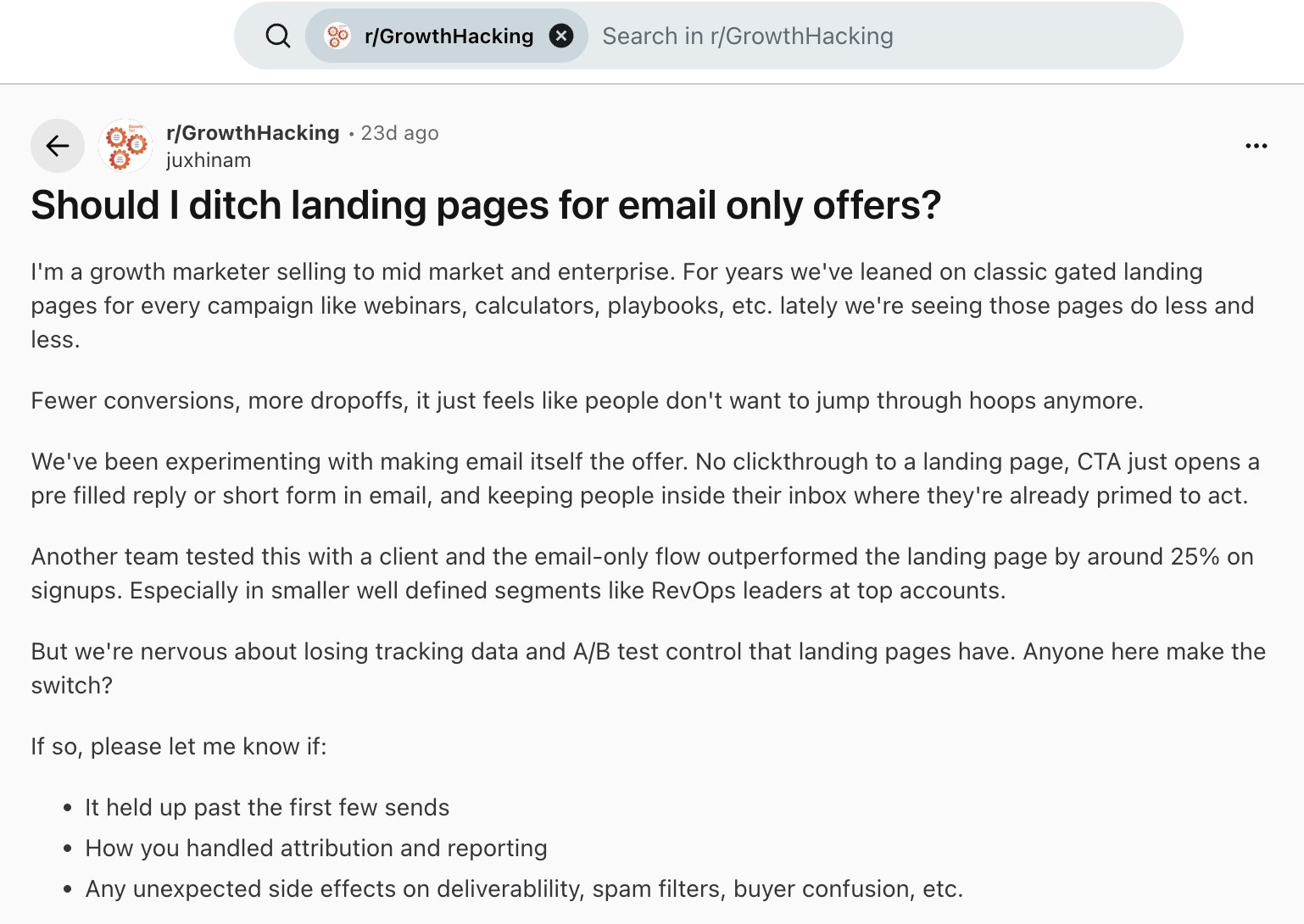
Remember that meaningful participation helps with brand recall.
When users see your name associated with helpful, trustworthy answers, it increases the chances that your brand will be mentioned (or even cited) in AI-generated summaries, social search results, and user-generated content.
Here are some best practices for participating in Reddit posts:
- Focus on popular queries in your niche to identify where you can add the most value.
- Keep it concise and relevant to the author’s post or question. Write short, clear responses, ideally under 200 words.
- Only include a link to your brand content if it directly supports your answer or adds depth to the discussion.
- Avoid “link dropping.” AI systems and moderators both recognize (and ignore) spammy behavior.
Over time, active participation in communities like Reddit and Quora can build brand visibility across multiple platforms, reinforcing your authority in spaces where traditional SEO doesn’t reach.
4. Build topic hubs and map content coverage gaps
Building topic hubs—interconnected clusters of articles covering a theme in depth—helps both Google Search and modern AI platforms interpret your expertise, relevance, and trustworthiness.
Topic hubs organize your existing content around related search terms, user behavior, and search intent, making it easier for both algorithms and users to find what they’re looking for.
So, if you’re industry niche is organic soaps, you should also cover semantically related topics like clean skincare, baby-friendly soaps, and so on. This structure also improves user engagement by guiding readers through logical paths rather than scattering insights across isolated pages.
Start by analyzing what AI tools like ChatGPT, Gemini, or Perplexity are already surfacing in your niche.
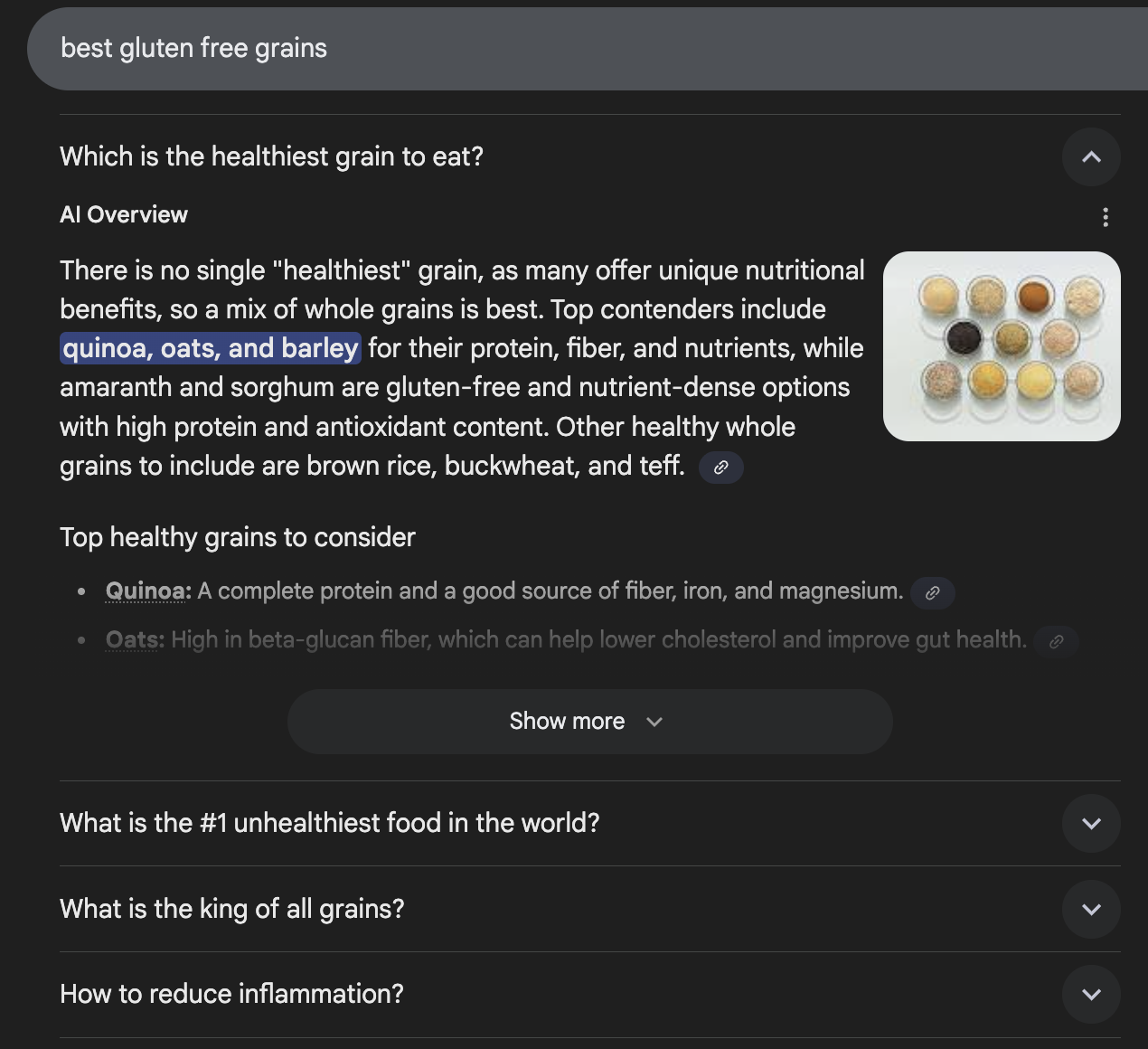
You’ll often find that these assistants highlight questions or perspectives that your site hasn’t yet fully covered. For example, if they’re referencing other sources when explaining a concept related to your business, it signals a gap worth filling.
Adding articles that address these missing angles—backed by structured data, schema markup, and clear descriptive headings—helps reinforce your authority and improves how your site appears in search results across multiple platforms.
To make this process easier, Surfer’s Topical Map helps visualize how your pages connect, which topics overlap, and where opportunities lie to create new content ideas or expand your digital presence.
For example, I can see below that we’re leaving untapped opportunities to cover content around “SEO tools” under our niche.
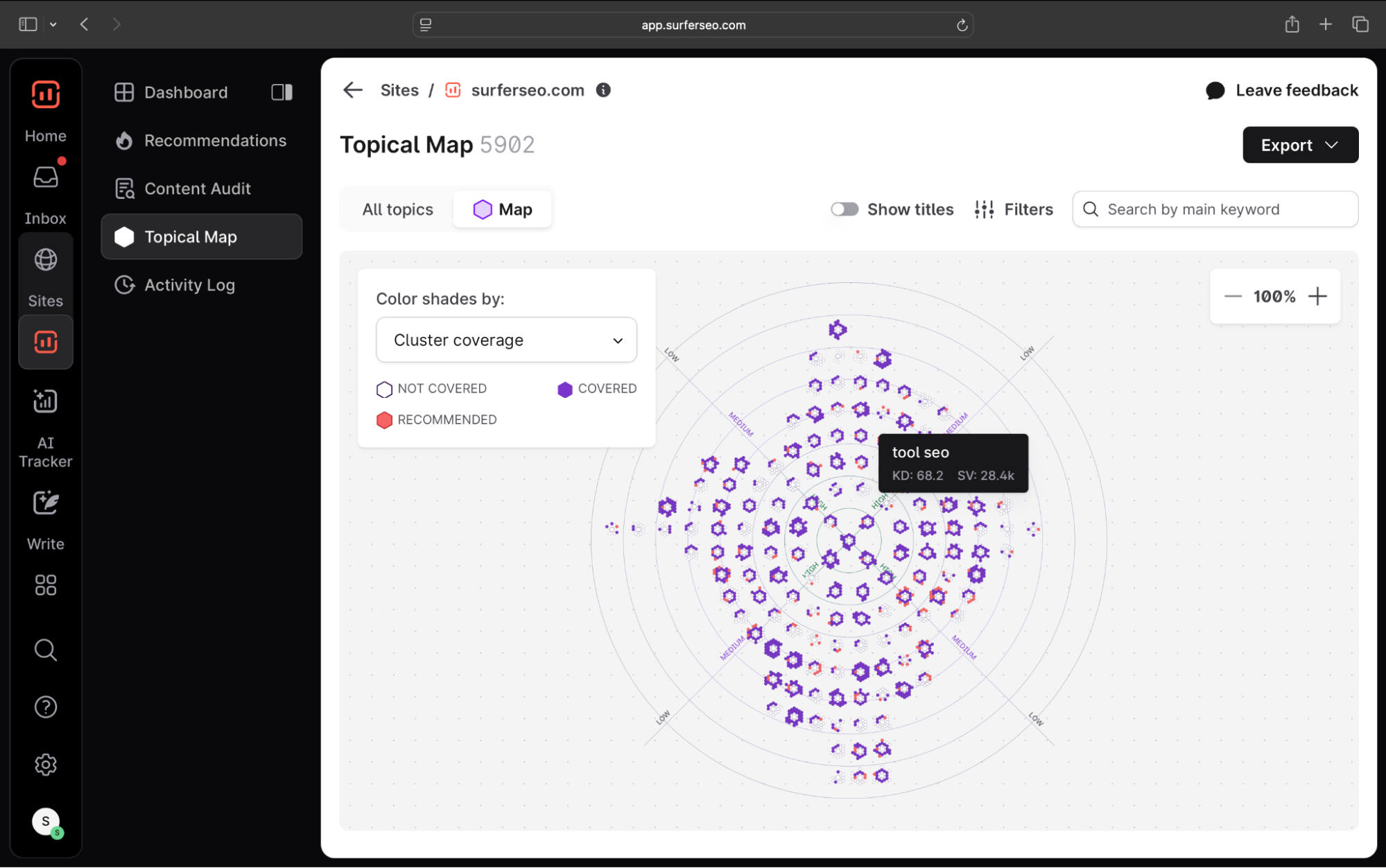
By regularly auditing your site, you can fill content gaps, remove duplicate or similar content clusters, and organize content to prioritize relevance and clarity.
Over time, a well-organized network of topic hubs not only builds topical authority but also boosts your overall AI search visibility, social platforms, and traditional SEO environments.
5. Create citable content with original research
AI search engines, journalists, creators, and industry experts are constantly looking for credible data points, making original research the key to turning your brand into a trusted reference.
This can take many forms: proprietary data studies, customer surveys, Google Analytics exports, product usage insights, or aggregated industry statistics.
What matters is that the data is unique, verifiable, and adds something new to the conversation.
For example, you might run an analysis on how search behavior has changed on social media platforms, how page speed affects user engagement, or how voice search impacts conversions in your industry.
At Surfer, we’ve seen this first-hand.
Large-scale SEO studies and original datasets created by Surfer have been referenced in YouTube videos, LinkedIn posts, and industry articles — driving referral traffic and building brand mentions far beyond traditional SEO reach.
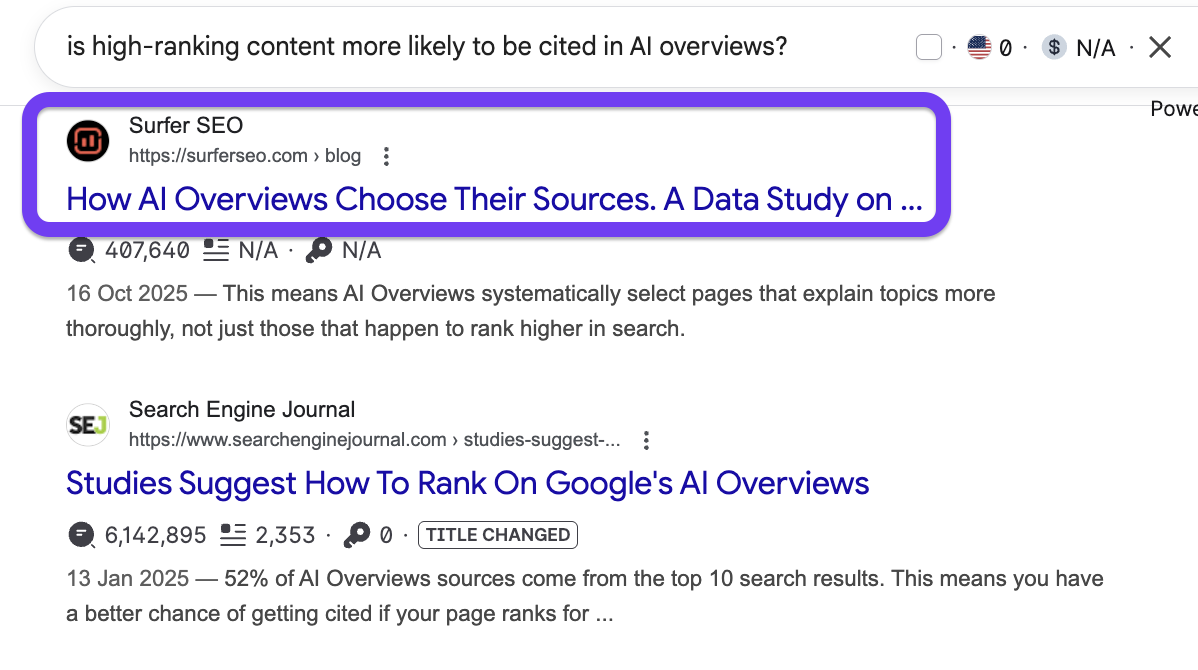
When AI-generated summaries reference your findings, it reinforces your brand authority and boosts your search visibility across channels like Google’s AI Overviews and social search feeds.
In many ways, this approach mirrors Google’s E-E-A-T principles — expertise, experience, authoritativeness, and trustworthiness.
By publishing well-researched, data-backed insights instead of recycled information, you send the same signals that both AI platforms and Google use to decide which content deserves visibility.
6. Use an AI tracker to see how you’re being mentioned
As search behavior expands across AI and social platforms, tracking where and how your brand appears is becoming part of a modern optimization strategy. You can’t improve your search visibility if you don’t know where you’re being mentioned (or overlooked).
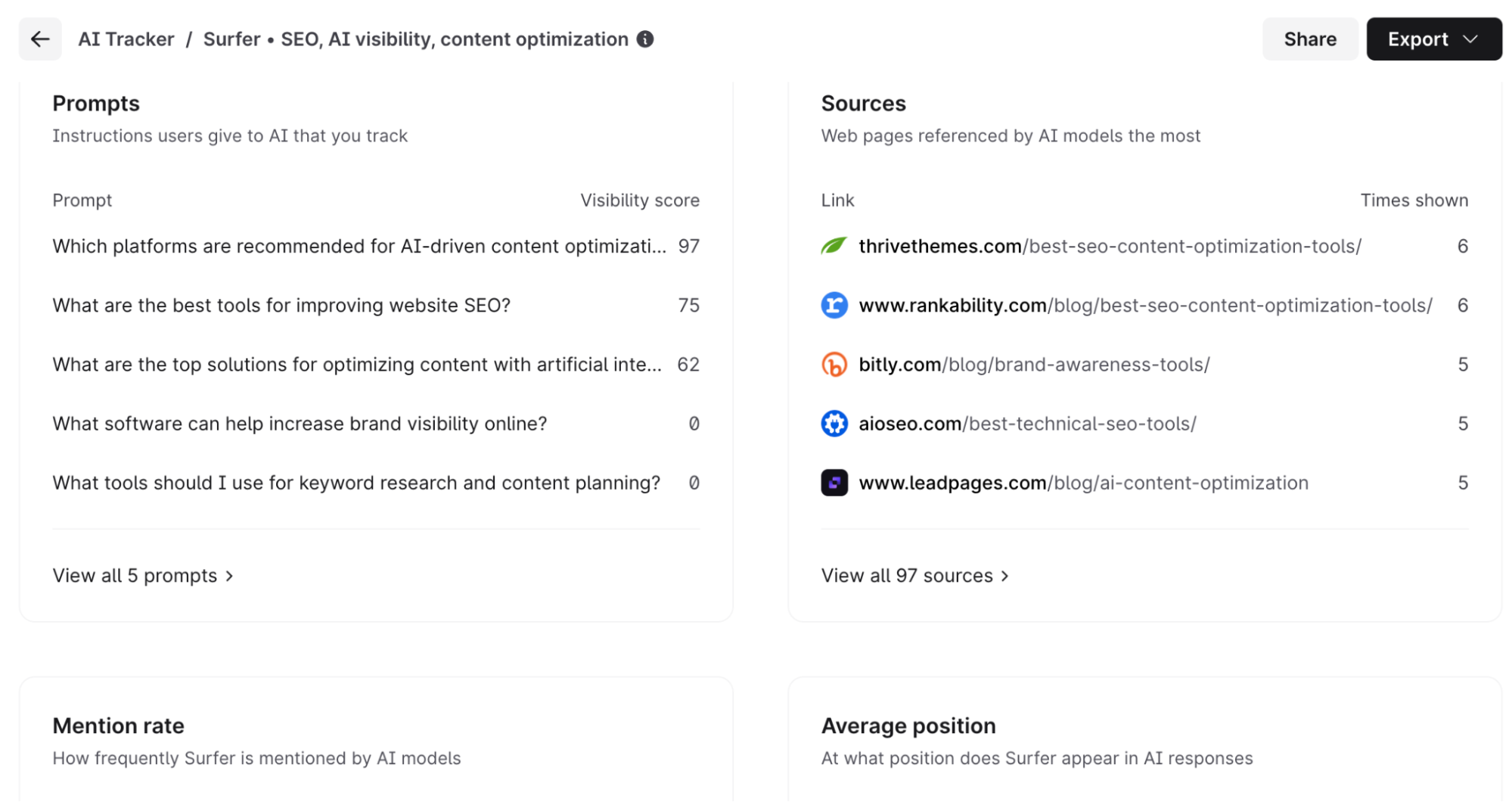
Surfer’s AI Tracker helps uncover this. It shows which of your pages are cited in AI-generated search results, how often your brand appears, and which domains are most frequently referenced in your niche.
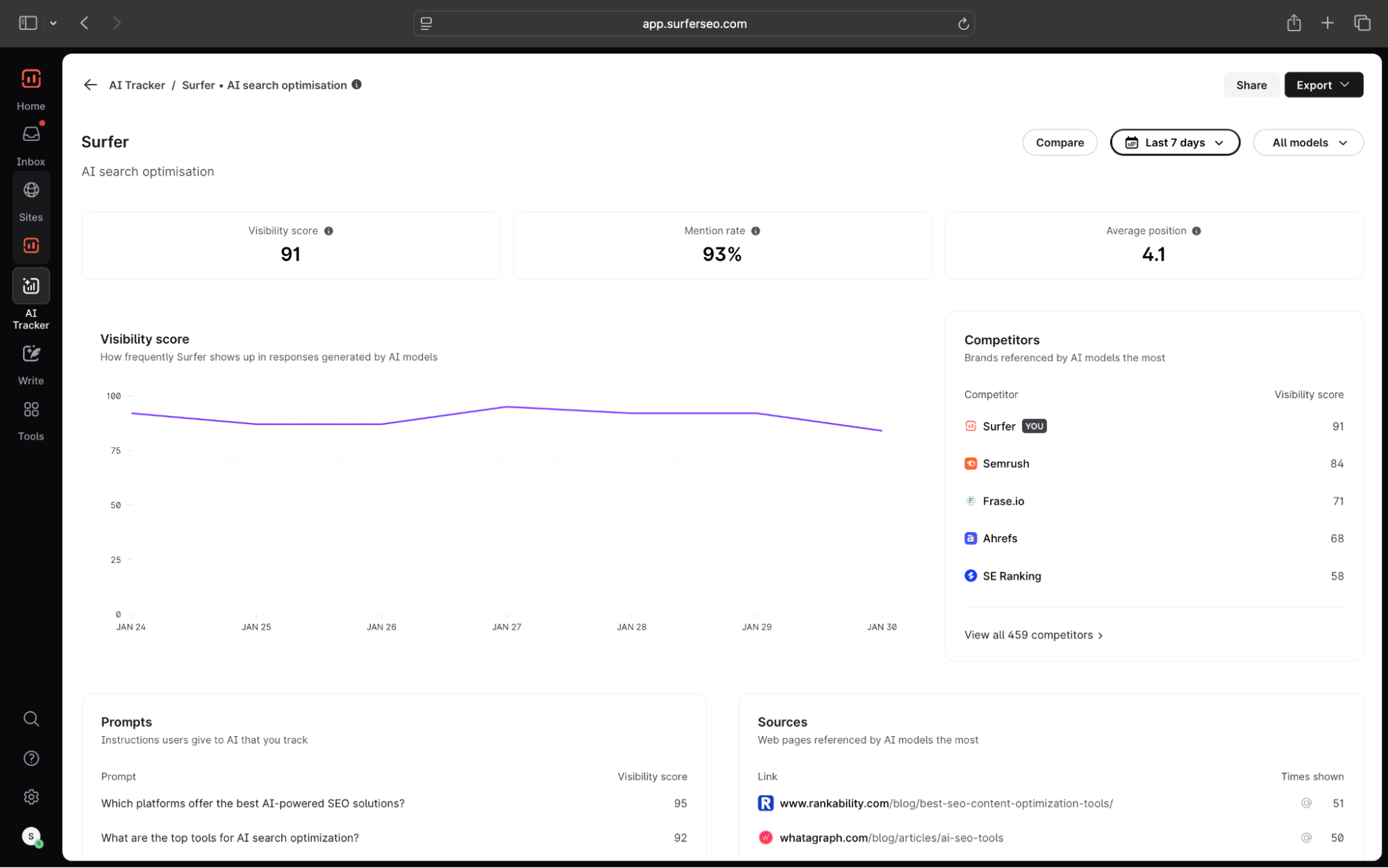
It’s like an extra layer that sits on top of traditional SEO tracking, helping you see not only how you rank in Google Search but also how AI interprets and distributes your content.
For instance, you might already rank on Google for “best content optimization tools,” but when you run a similar prompt through Surfer’s AI Tracker, you might find ChatGPT and Perplexity are citing competitors instead.
That signals a visibility gap. Maybe your content needs a clearer structure, fresher data, or more complete answers aligned with the user’s search intent.
You can also add prompts to track specific use cases, such as:
- “Best AI tools for content strategy”
- “How to optimize for Google’s AI Overviews”
- “Top SEO tools for structured data and topical authority”
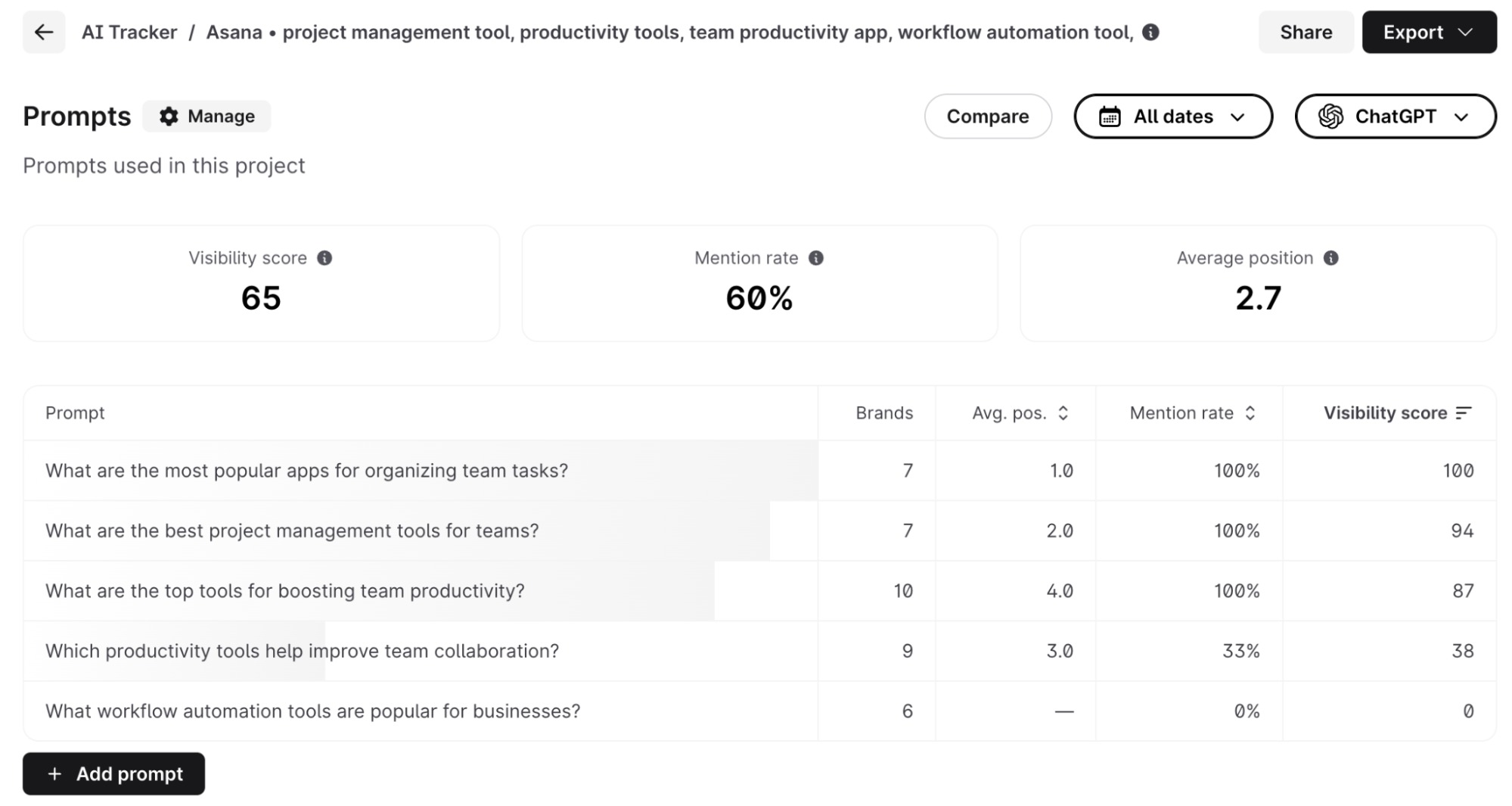
Tracking these mentions also helps you understand what AI considers credible sources for specific queries.
Surfer’s AI Overviews study found that 52% of sources mentioned in Google’s AI Overviews already rank in the top 10 search results. In other words, AI visibility builds on strong SEO fundamentals — structured pages, high-quality data, and consistent topical coverage.
7. Diversify your traffic
Different audiences search differently, and that’s where opportunity lies. Some people watch YouTube videos to compare products, others scroll LinkedIn for insights, or ask questions on Reddit threads.
If your content lives in only one place, you’re missing the point of search everywhere optimization and potential referral traffic from other platforms.
Start by repurposing existing content instead of creating everything from scratch. A single, in-depth blog post can be reshaped into:
- A LinkedIn carousel summarizing three takeaways
- A YouTube explainer that simplifies a complex topic
- A short Instagram Reel or TikTok clip breaking down one insight
- A slide deck or newsletter linking back to your original article
- A Medium article offering thought leadership and opinion
This approach mirrors Gary Vaynerchuk’s content repurposing framework: one strong idea, adapted into multiple formats for different platforms and audiences.
Here’s why this works for search everywhere optimization:
- AI tools and Google’s algorithms rely on multiple off-page signals. Showing up across social platforms and AI-powered search surfaces helps validate your credibility.
- A consistent publishing rhythm strengthens your digital presence, sends positive user engagement signals, and reinforces your brand visibility across AI platforms and traditional search engines alike.
- Diversifying content formats makes your brand easier to cite. A video, quote, or data snippet can appear in AI-generated summaries, social search results, or news aggregators.
In short, when your content appears across multiple platforms, you expand how users find you and strengthen every signal that drives long-term organic growth.
8. Continue building on SEO fundamentals
While search everywhere optimization, answer engine optimization (AEO), and generative engine optimization (GEO) might sound new, they’re really just extensions of what good SEO has always been about: creating high-quality, trustworthy content that helps people find accurate answers.
Here’s what still matters most:
Build clarity and trust
Google’s Search Quality Rater Guidelines still set the standard. Follow E-E-A-T principles (experience, expertise, authoritativeness, and trust). Use first-hand examples, credible sources, and accurate data. The more reliable and helpful your content, the more likely it is to appear in AI-generated results.
Structure your content for easy parsing
Use one H1 heading, clear, descriptive H2s, short paragraphs, and bulleted lists for readability. Add schema markup and structured data so AI models and search engines can interpret context correctly. Well-organized pages are easier for both humans and algorithms to read and cite.
Prioritize depth over length
Don’t just write more — explain more. Use examples, case studies, or unique insights that demonstrate real expertise. Deeper context helps your content rank for broader search intent and related keywords.
Maintain strong technical SEO
Fast loading, mobile accessibility, and clean internal linking still drive better search visibility. Most importantly, check your robots.txt to ensure important pages are crawlable by AI crawlers and search engines.
In short, search everywhere optimization builds on solid SEO. If your content is trustworthy, well-structured, and technically sound, it’s already optimized for both AI-powered search and traditional search engines.
3 examples of search everywhere optimization
The best way to understand search everywhere optimization is to see it in action.
That’s why we looked at brands that built systems that make their content discoverable, citable, and visible across different channels. From publishing original research to scaling structured updates and creating machine-readable pages, here’s how leading companies are redefining what modern optimization looks like:
1. Surfer
At Surfer, we create large-scale, data-driven research that is referenced, cited, shared, and ranked on Google.
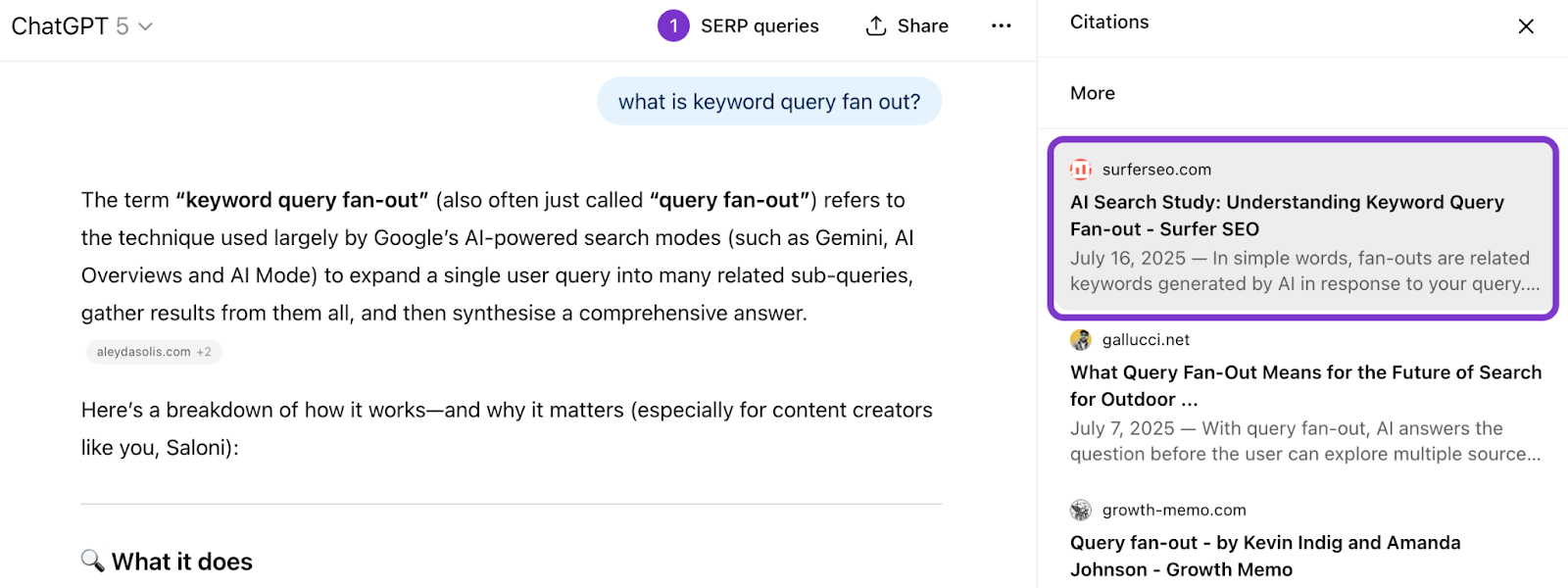
Our AI citation report analyzed over 57,000 URLs to identify which domains are most frequently cited by AI models. At the same time, our keyword query fan-out study reveals how in-depth topical coverage helps pages rank in the top 3 positions on Google SERPs and appear in AI-generated summaries.
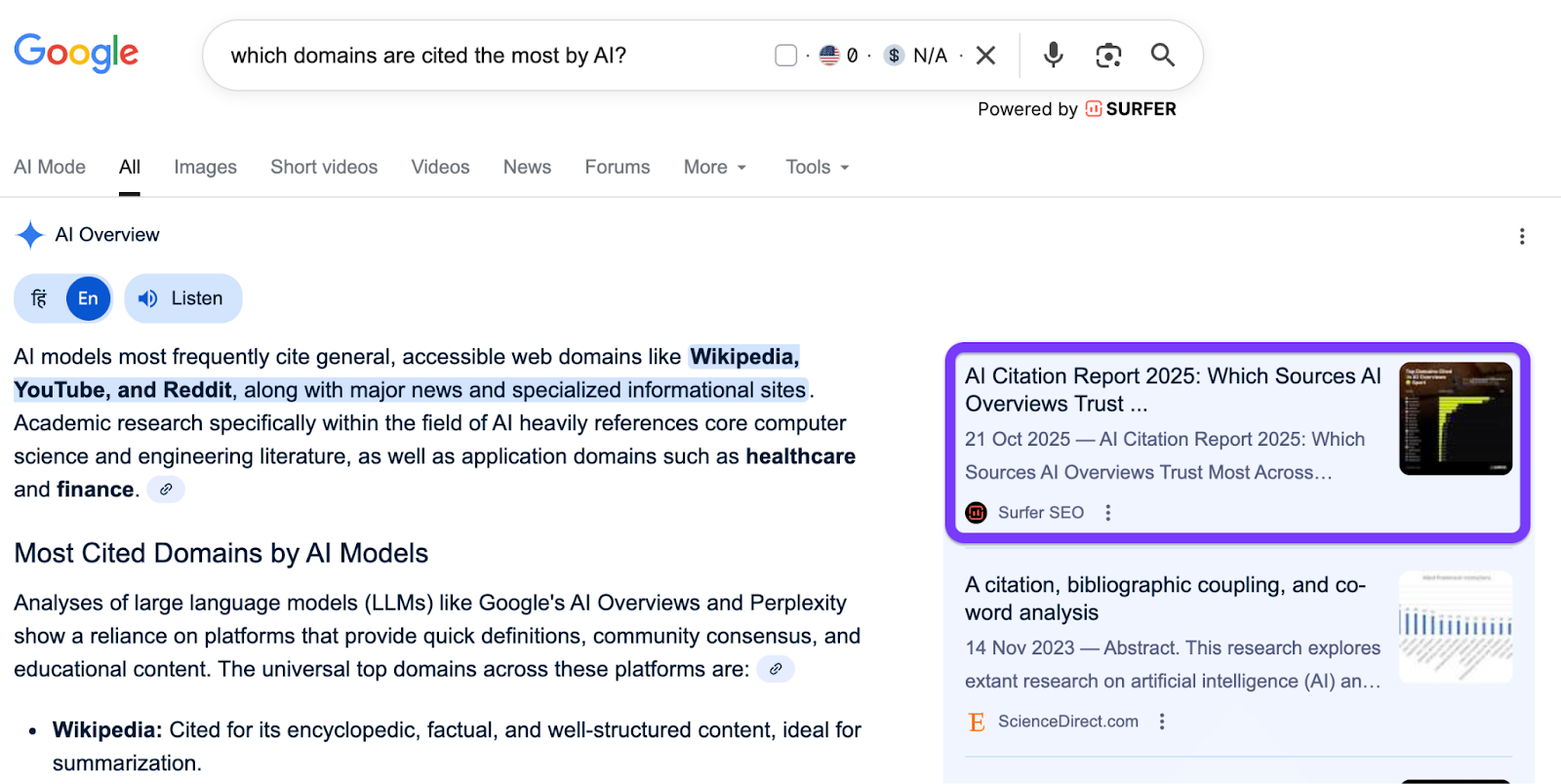
These research pages do double duty: they perform well in traditional search engines and are frequently referenced across AI search platforms like ChatGPT, Reddit threads, and YouTube videos, ensuring visibility across every different discovery channels.
2. Webflow
Webflow shared how it grew AI-driven sign-ups from roughly 2% to 8% in six months — a 4x increase. Their approach blended digital PR, structured content optimization, and AI-assisted refreshes to strengthen visibility across both AI-powered search and traditional SEO channels.
Their strategy focused on three key areas:
- Expand brand mentions: Collaborate with tech media, creators, and niche communities (like Reddit and YouTube) to earn organic mentions and links from trusted sources.
- Optimize owned content for AI models: Update blog pages with a clear structure, schema markup, and original data that AI systems can easily interpret and reference.
- Automate refreshes at scale: Move from manually updating four posts per month to dozens using an AI-assisted workflow, resulting in a 40% lift in organic traffic for refreshed articles.
Webflow’s example shows that search everywhere optimization works best when you combine earned visibility with structured, consistently updated content. This signals to AI systems, search engines, and audiences that your brand is credible and active.
3. Vercel
Vercel’s post, “How we’re adapting SEO for LLMs and AI search,” offers one of the most forward-looking approaches to AI search optimization. Their focus goes beyond technical SEO to building content ecosystems that both humans and large language models (LLMs) trust and reuse.
Their best practices include:
- Find frontier concepts early: Identify emerging topics in your niche and publish deep, reference-grade content before competitors do.
- Make pages machine-readable: Use a clear heading hierarchy, schema.org markup, and server-side rendering (SSR/SSG) to ensure AI systems and crawlers can accurately parse, index, and cite your content.
- Publish with proof: Add data, visuals, code snippets, and diagrams so your pages serve as credible, quotable sources for both users and AI tools.
- Seed authentic citations: Encourage organic references by sharing your content in high-signal spaces like Reddit, GitHub, news publications, X, and LinkedIn. Also known as LLM seeding, the idea is that if real users cite your work, AI models will follow.
- Maintain a refresh cadence: Outdated or stale content risks being ignored in both retrieval and ranking systems. Vercel advises updating pages every 30–180 days — fixing 404s, expanding top-performing articles, and archiving outdated ones.
What are the challenges of search everywhere optimization?
As search everywhere optimization becomes broader and more complex, the biggest challenges lie in how we measure visibility and keep up with constant platform changes.
Unlike traditional SEO, AI-powered discovery happens across systems that don’t always share data or follow predictable ranking logic. Here are some challenges you might come across:
Measuring visibility across fragmented platforms
One of the biggest challenges with search everywhere optimization is figuring out how to measure success. Unlike traditional search engines like Google, AI assistants such as ChatGPT, Gemini, and Perplexity don’t offer reliable analytics.
There are no impressions, click-through rates, or referral traffic data to track.
Instead, brands have to measure AI visibility through alternative metrics using an AI tracker that paints a broader picture of performance across platforms. Some of these metrics include:
- Share of voice (SoV): The percentage of AI-generated responses or prompts where your brand appears compared to competitors. It’s one of the clearest indicators of brand visibility across AI search.
- AI citations: How often your content or domain is explicitly referenced as a source within AI-generated answers.
- Brand mention rate: Mentions of your name or URL within AI responses (even without a direct link) which signal awareness and trust.
- Prompt coverage: The number and variety of prompts your content appears for, showing how effectively your pages align with different search intents.
- Visibility score: How prominently your content appears within cited sources or summaries across AI search.
Because these metrics are scattered across multiple platforms, and most traditional SEO tools, like Google Search Console and GA4, don’t provide AI analytics, measuring them consistently is difficult.
That’s where Surfer’s AI Tracker helps bridge the gap.
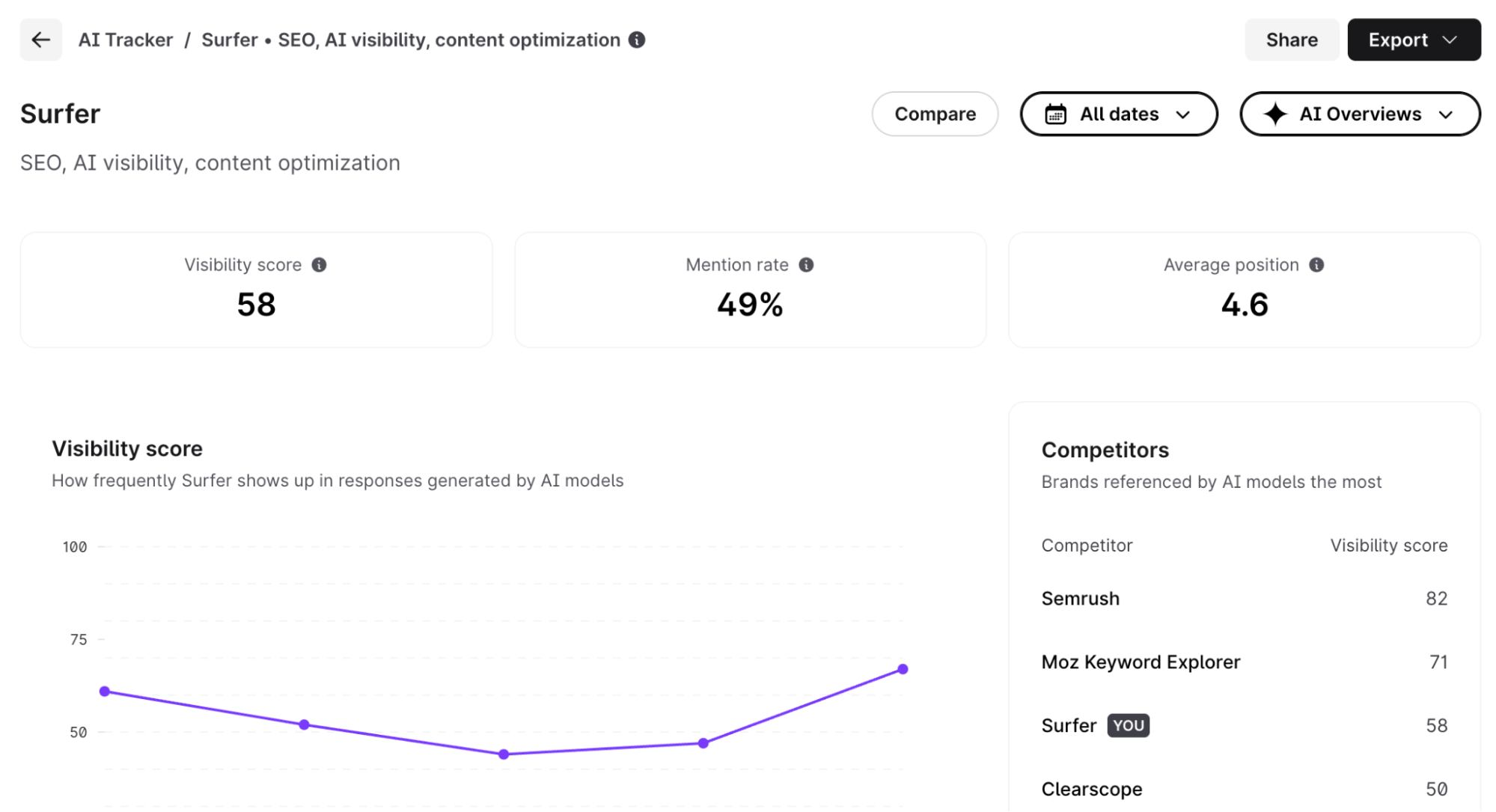
You can quickly track your AI citations, share of voice, visibility score, and which prompts are mentioning you across platforms like ChatGPT, Perplexity, and Google’s AI Overviews, so you can see exactly where your brand is being cited and where competitors are outperforming you.
Keeping pace with constant algorithmic and model updates
AI models like ChatGPT, Gemini, and Claude frequently update their data sources and ranking logic, just as Google’s algorithm does, but faster and less transparently.
A page that appears in AI results today may disappear next month as models retrain or shift their citation patterns. This volatility makes short-term AEO or GEO strategies harder to sustain.
Like Google, these platforms tend to prioritize fresh, accurate, and relevant content, which means ongoing updates are essential. Regularly refreshing content, adding new data, and maintaining topical depth requires time — but it’s also what keeps your pages visible and citable across evolving AI-powered algorithms.
Who should do search everywhere optimization?
For companies whose customers discover and evaluate them online, like SaaS, media, e-commerce, and education brands, search everywhere optimization is becoming a competitive edge.
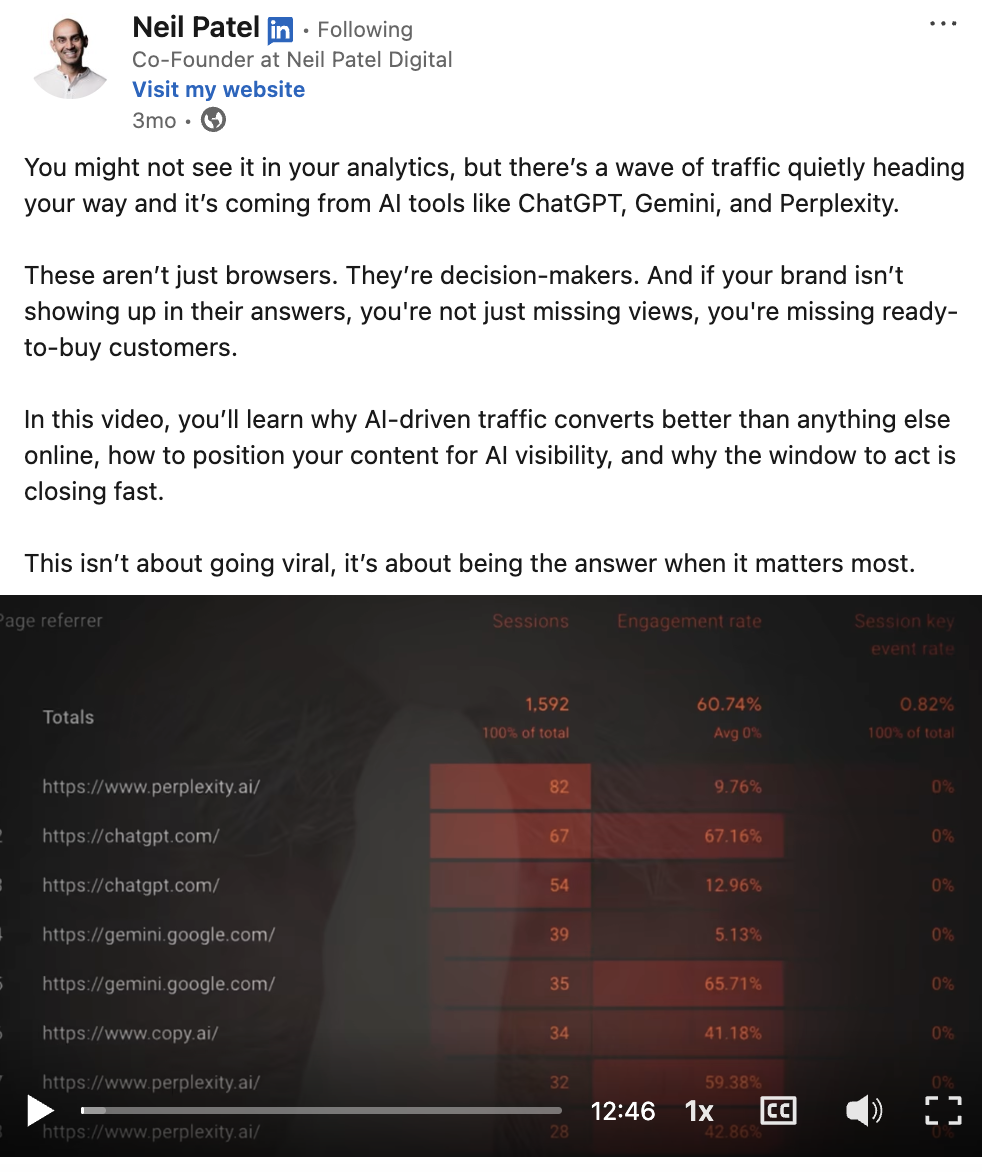
Neil Patel states on his LinkedIn that AI-driven traffic from platforms like ChatGPT, Gemini, and Perplexity converts 10–23x better than organic search, yet most brands don’t even track it.
And real-world data backs this up.
Seer Interactive found that traffic from ChatGPT converted at 16%, compared to just 1.8% from Google organic. When people find your brand through AI-powered search, they’re often deeper in the decision-making process.
So when your content appears in AI summaries, comparison articles, or community conversations, it builds trust long before users land on your site.
Agencies, creators, and companies that publish consistently — through newsletters, blog posts, or data studies — also have the most to gain. These are the voices shaping the information AI systems learn from.
According to BrightEdge, ChatGPT mentions brands nearly three times more often than it directly cites them, especially for commercial or product-related queries. That means focusing on schema markups, structured data, Google Business profiles, and product listings across different sources can help you appear in AI responses, social search, and traditional search results alike.
In short, search everywhere optimization isn’t just for SEO teams — it’s for any brand that wants to stay visible wherever decisions are made. Whether you’re selling software, sharing insights, or building an audience, showing up across AI platforms and search surfaces is how you stay relevant in the way people actually search today.
How to win with search everywhere optimization
You need strong brand signals, consistent mentions, and content that’s structured, trustworthy, and easy for both humans and machines to reference.
That means investing in reviews and listings, earning coverage through digital PR, building topic hubs, and publishing original research that others can cite. Tracking also matters, because AI search doesn’t come with the same analytics as traditional SEO.
The brands that win will build visibility across the entire search ecosystem.
Why is search everywhere optimization important?
Search everywhere optimization is important because people don’t search in just one place anymore. Buyers discover brands through AI assistants, social platforms, communities like Reddit, and video platforms—not only through Google.
If you only optimize for traditional rankings, you can miss visibility in places where decisions are influenced. Search everywhere optimization helps your brand show up across more touchpoints, including AI-generated answers and social search results.
How is search everywhere optimization different from AEO and GEO?
Search everywhere optimization is broader than AEO and GEO because it includes more than AI answer engines. AEO and GEO mainly focus on showing up inside AI-generated answers like ChatGPT, Perplexity, or Google AI Overviews.
Search everywhere optimization includes AI visibility, but also covers discovery on platforms like YouTube, Reddit, and social media—where people research and compare options before they ever search on Google.
What platforms should I optimize for in search everywhere optimization?
Key platforms include Google Search, AI assistants (ChatGPT, Claude, Perplexity), social media (LinkedIn, X, Instagram), community forums (Reddit, GitHub), and YouTube. These are where users now discover and evaluate brands.
The goal is to be visible across multiple channels, not just one. Even if you don’t rank on page one, you can still gain visibility through AI citations, Reddit mentions, or YouTube links.
What are the best metrics to measure search everywhere optimization?
The best metrics include share of voice, AI citations, brand mention rate, prompt coverage, and visibility score. These help you measure performance in AI search, where traditional analytics like impressions and CTR often don’t exist.
Since AI platforms don’t provide reliable reporting, tracking these signals helps you understand where you’re being mentioned, which prompts you show up for, and where competitors are winning instead.
Why is Reddit important for search everywhere optimization?
Reddit is important because it’s one of the most cited sources in AI-generated answers and a major place where people look for honest opinions. It influences how users discover brands and how AI tools learn what content to reference.
The best approach is to participate authentically—answer questions, share real experience, and avoid promotional “link dropping.” Over time, helpful contributions can improve brand recall and visibility across AI and social search.
How do original research and digital PR improve AI visibility?
Original research and digital PR help you earn mentions on trusted, high-authority sites that both AI systems and search engines rely on. This can increase how often your brand is referenced in AI summaries, listicles, and social conversations.
Research works especially well because it creates citable data points. If your content becomes a reliable source, it’s more likely to be quoted by journalists, creators, and AI tools across multiple discovery channels.
How do I get started with search everywhere optimization if I already do SEO?
If you already do SEO, you’re most of the way there. Search everywhere optimization builds on the same foundation: clear structure, strong technical SEO, and trustworthy content.
To expand beyond Google rankings, focus on building brand mentions, publishing citable content, engaging in communities, and tracking AI visibility across platforms like ChatGPT, Perplexity, and Google AI Overviews.